Winter Pruning Guide for Pacific Northwest Trees and Beyond
Ski Season is Pruning Season!
No, the current post has solid foundational SEO elements like the target keyword "Eugene OR tree pruning services," H2 headers, lists, and local relevance, but it can be optimized further for maximum impact. Enhancements include higher keyword density (primary + variations like "tree pruning Eugene OR," "winter tree pruning Pacific Northwest"), longer content (aim for 1500+ words), internal linking placeholders, meta-optimized structure, and more long-tail phrases for voice search and featured snippets.
Here's the SEO-maximized version with added keyword-rich intro/outro, expanded sections, FAQs, and schema-friendly structure:
Winter Pruning Guide for Pacific Northwest Trees: Expert Tips for Eugene, OR Homeowners
Searching for Eugene OR tree pruning services? Winter is the best time for tree pruning in Eugene OR and the Pacific Northwest. With deciduous trees like Garry oak (Quercus garryana) and evergreens such as Douglas fir (Pseudotsuga menziesii) fully dormant, winter tree pruning Pacific Northwest cuts heal efficiently without sap bleeding or excessive stress. This fosters stronger spring growth, better storm resilience, and curbs disease spread in our damp climate—essential for ornamental, native, and fruit-bearing trees in Eugene OR.
Whether you're tackling DIY tree pruning Eugene or need professional Eugene OR tree pruning services, this guide covers why now, tools, techniques, and when to hire ISA-certified pros like Wild Geese Tree Care.
Why Prune in Winter? Core Benefits for Pacific Northwest Trees
Trees shift into dormancy from late fall to early spring (November-March in Eugene), halting growth to focus energy on root health and reserves. Winter pruning Pacific Northwest reveals the tree's skeleton without leaves obscuring weak points, allowing precise removal of crossing, diseased, or dead branches that could snap in winter gales common to Oregon.
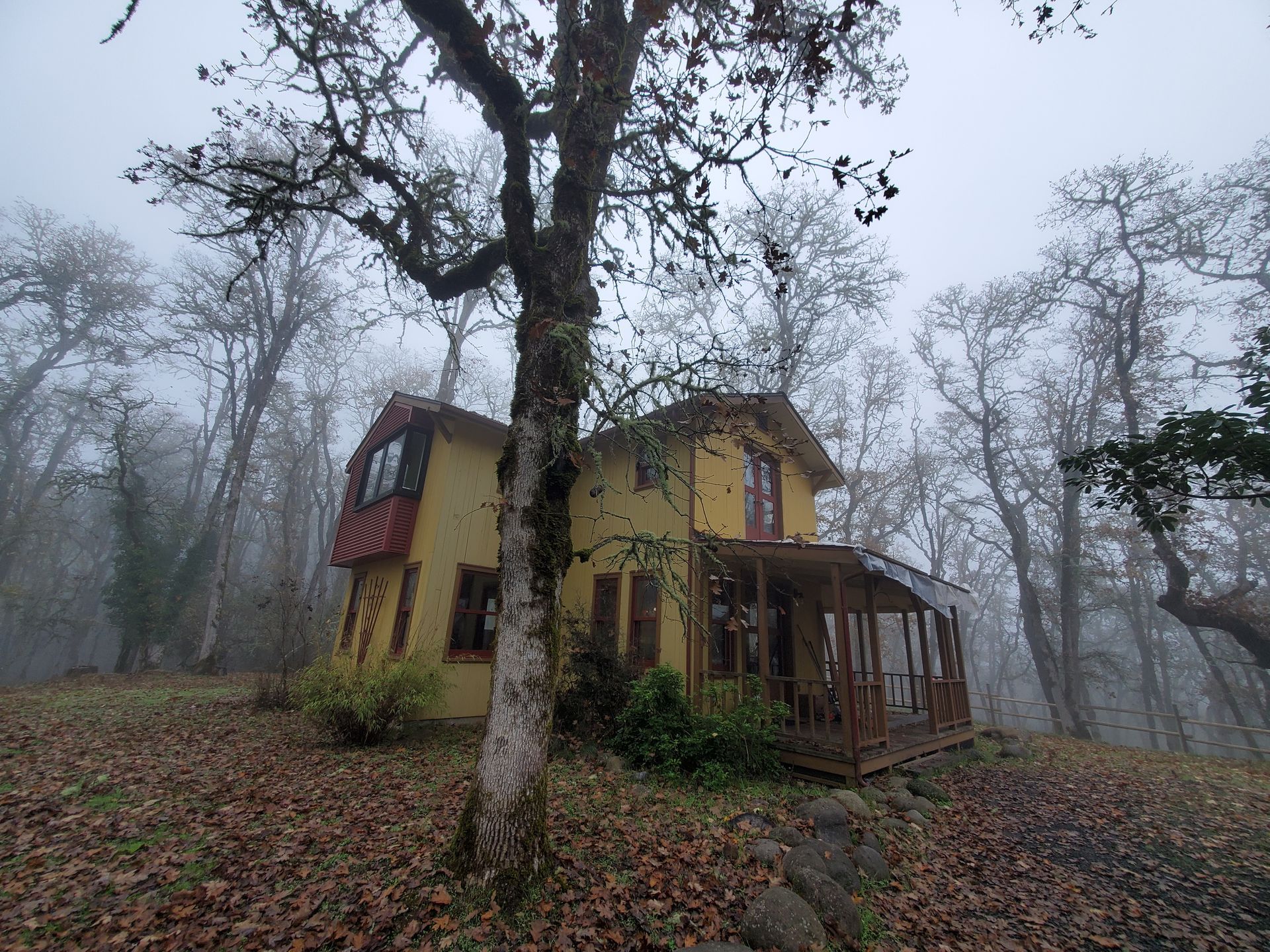
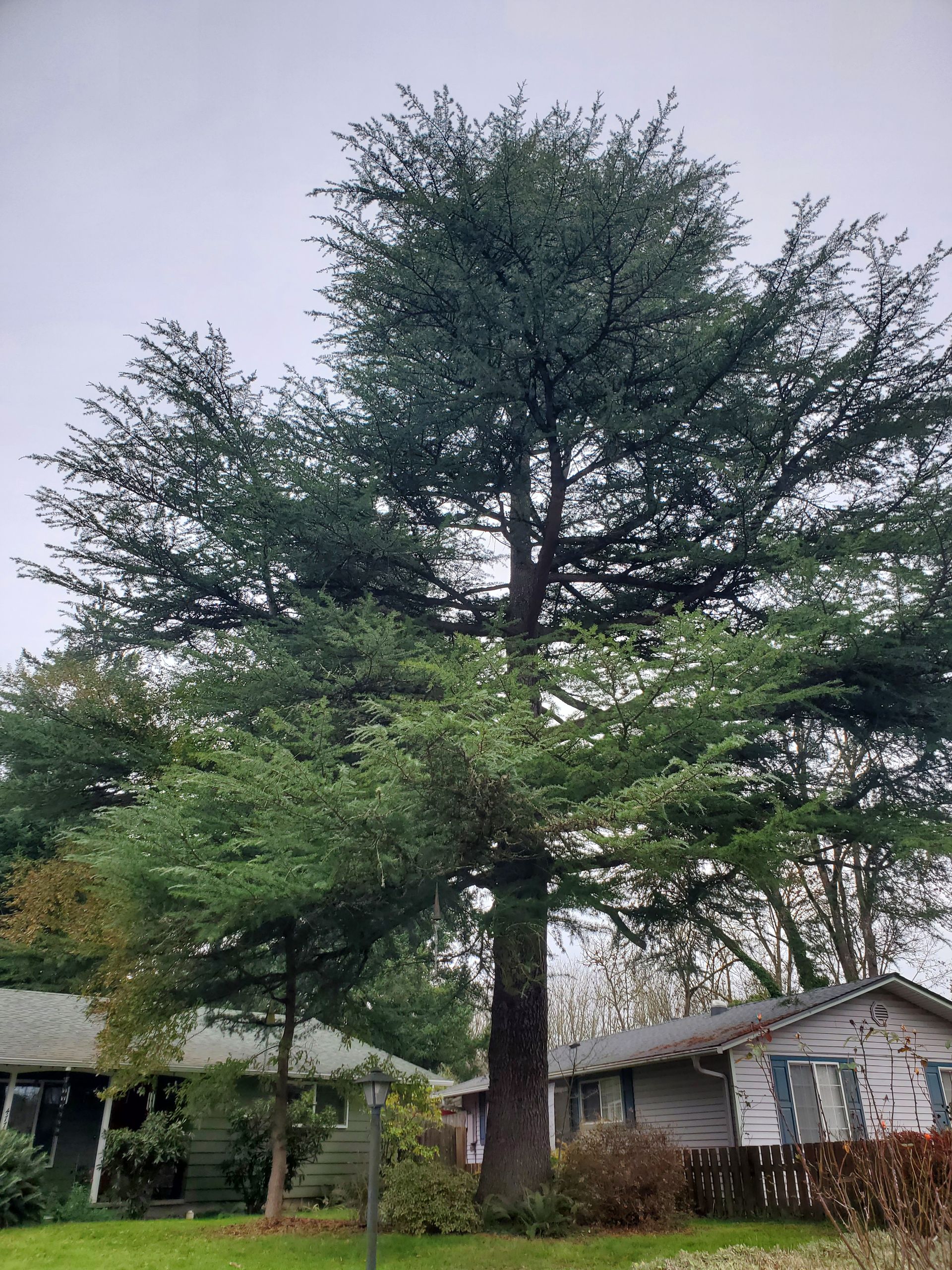
For Douglas fir—iconic in Eugene OR landscapes—targeting lower, shaded limbs improves light penetration and air circulation, slashing risks of needle blight or root rot from soggy Willamette Valley soils. Garry oak thrives with light thinning to its natural vase shape, preventing overcrowding that traps moisture and invites fungal pathogens like oak anthracnose. Winter tree pruning avoids the growing season when beetles vector oak wilt, a key reason for Eugene OR tree pruning services during dormancy.
Insights for Fruit Trees: Maximizing Yields with Winter Pruning in Eugene OR
Fruit tree pruning Eugene OR demands winter timing for structural integrity and productivity, especially in rainy Eugene where humidity fosters fire blight (Erwinia amylovora) and powdery mildew. Popular PNW varieties like apple (Malus domestica), pear (Pyrus communis), and cherry (Prunus avium) dominate home orchards.
Dormancy prevents vigor imbalances—heavy pruning shocks saplings into weak shoots instead of fruit spurs. It synchronizes with our chill hours (400-1,200 needed), breaking buds uniformly for bumper crops. Removing water sprouts and suckers channels energy to productive buds, boosting yields by 20-30% while minimizing alternate bearing.
Apple and pear winter pruning tips Eugene: Use the central leader system—thin to 4-6 strong scaffolds spaced evenly, cutting back last year's growth by one-third to fist-sized stubs for short fruiting spurs. Renew bearing wood annually, as old spurs lose vigor after 3-4 years.
Cherry tree pruning Pacific Northwest: Open-center style exposes interiors to sunlight, reducing brown rot (Monilinia spp.)—aim for 45-degree scaffold angles to support heavy loads without splitting.
Winter-specific perks: faster wound closure before bud break, lower pest pressure (e.g., codling moth pupae overwinter dormant), and easier canker/borer spotting. Overgrown fruit trees risk limb failure under fruit weight or ice storms; proactive Eugene OR tree pruning lowers the center of gravity. Environmentally, it enhances pollinator access and carbon sequestration via healthier canopies.
Essential Tools for Safe DIY Tree Pruning in Eugene OR
Equip for clean, angled cuts that shed water and promote callus formation during winter tree pruning Pacific Northwest:
- Bypass pruners: Ideal for twigs under 1 inch; sharpen annually for shear-free slices on young fruit spurs.
- Loppers with ratchet or gear drive: Tackle 1-2 inch branches; bypass prevents crushing bark on Garry oaks.
- Folding pruning saw or Japanese pull saw: For 2-4 inch limbs; three-cut method—undercut to prevent stripping, top cut removes weight, final collar cut outside branch bark ridge.
- Pole pruner: Extends reach to 12 feet safely, perfect for lower Douglas fir branches.
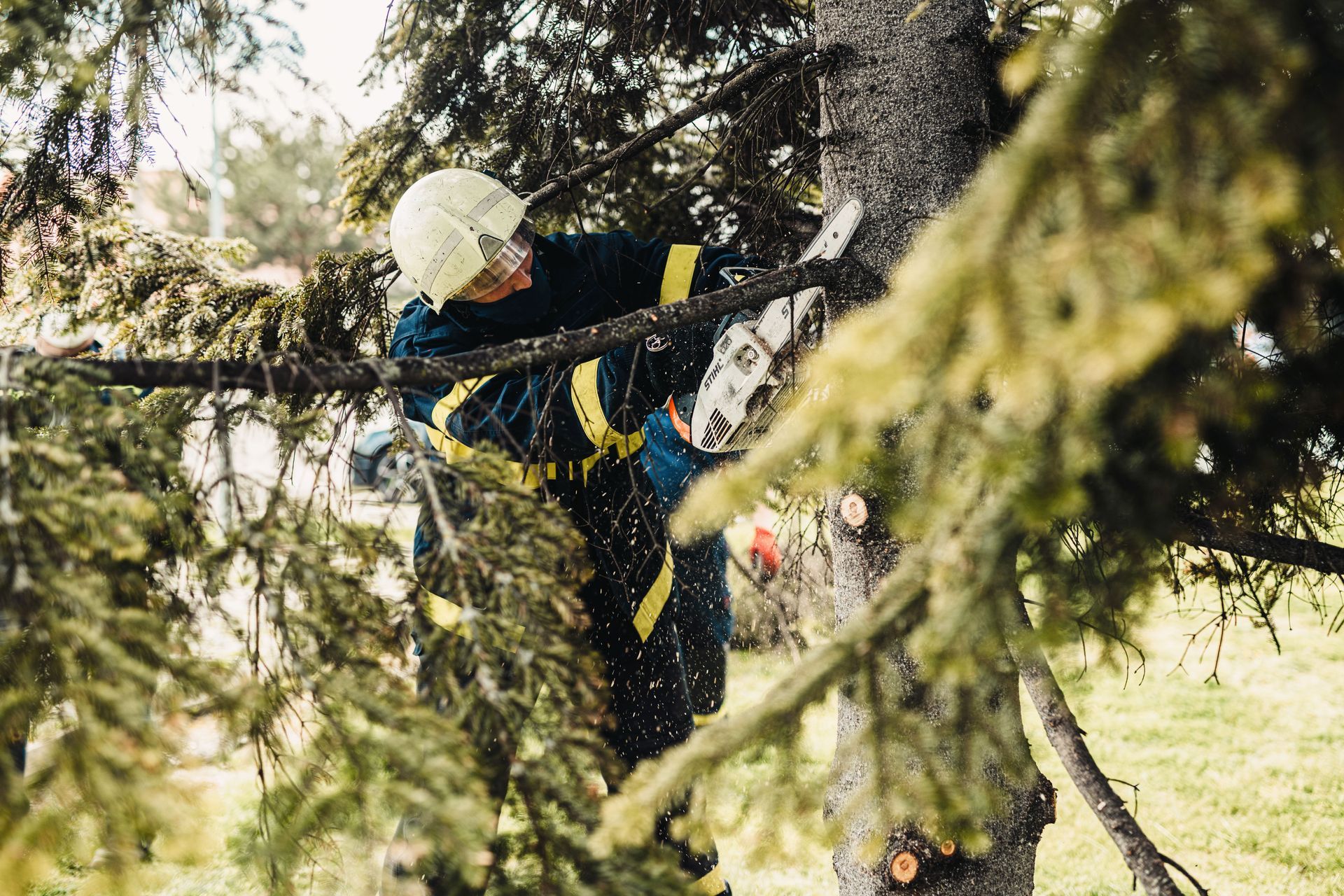
- Safety gear: Leather gloves, eye protection, helmet, non-slip boots; chainsaw chaps for larger Eugene tree pruning jobs.
Limit to 25% canopy removal, prioritizing 3 Ds (dead, diseased, damaged), then watersprouts and rubbing limbs. Always prune to outward-facing buds at 45-degree angles.
When to Call Professional Eugene OR Tree Pruning Services
DIY shines for low-level tree pruning Eugene OR, but hire pros for heights over 10 feet, power lines, or mature trees >30 feet—like towering Douglas firs or leggy fruit orchards needing espalier renewal. Improper angles invite decay fungi (e.g., Armillaria root rot) or destabilize during crane lifts.
High-risk Eugene OR tree pruning services require ISA-certified teams with insurance, chippers, aerial lifts, and Eugene code compliance for seamless cleanup. Wild Geese Tree Care specializes in winter pruning Pacific Northwest species—from fruit rejuvenation to hazard assessments. Schedule a free consultation today—our crew boosts tree longevity through Oregon winters.
FAQs: Winter Tree Pruning Eugene OR
When is the best time for tree pruning in Eugene OR?
Late November to February, during full dormancy.
Can I prune fruit trees in winter Pacific Northwest?
Yes—it's optimal for yield and health; avoid spring sap flow.
How much does professional Eugene OR tree pruning cost?
Varies by size/job; free quotes from Wild Geese Tree Care.
Ready for healthier trees, higher harvests, and storm-proof Eugene OR landscapes? Contact Wild Geese Tree Care for top Eugene OR tree pruning services now—book your winter pruning today! Contact Our Certified Arborist in Oregon for Tree Care Services
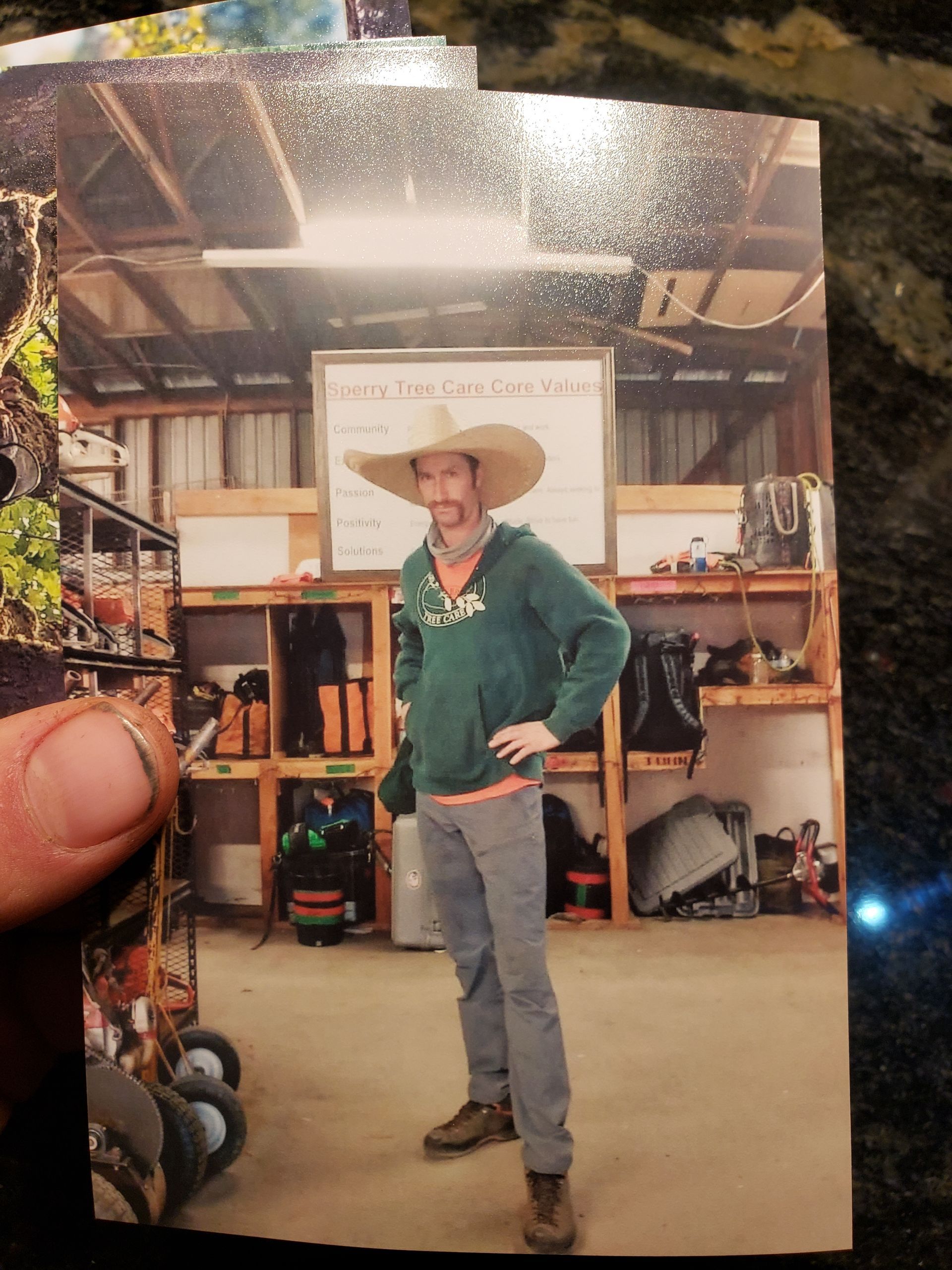
Dane Swanson
Owner-Operator and Certified Arborist at Wild Geese Tree Care
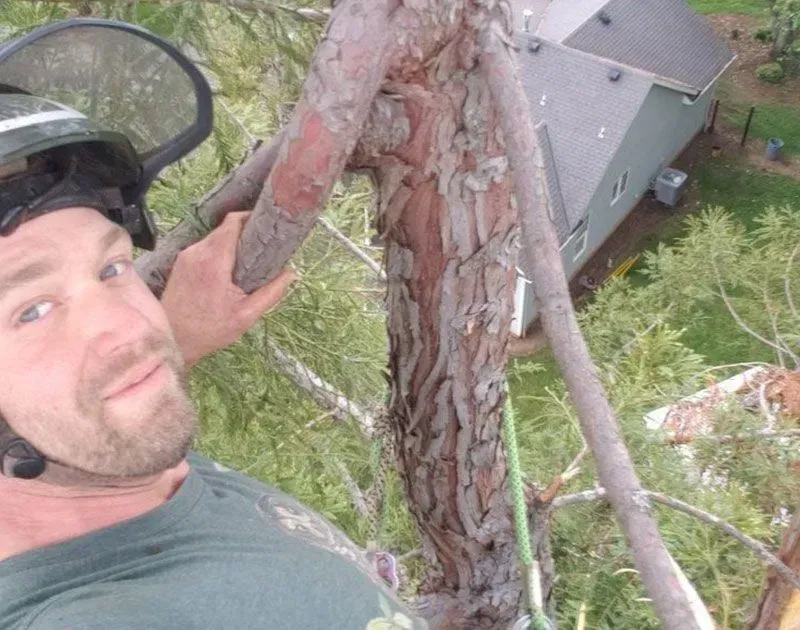
Dane Swanson is the owner-operator and certified arborist behind Wild Geese Tree Care. His work with pruning, removals, storm damage, hazardous trees, and mature tree care shapes the way he writes about tree safety and health. He shares what he sees in the field to help homeowners better understand their trees.