The Importance of Pruning Your Trees for Trunk Stability

How your trees are Pruned decides their future.
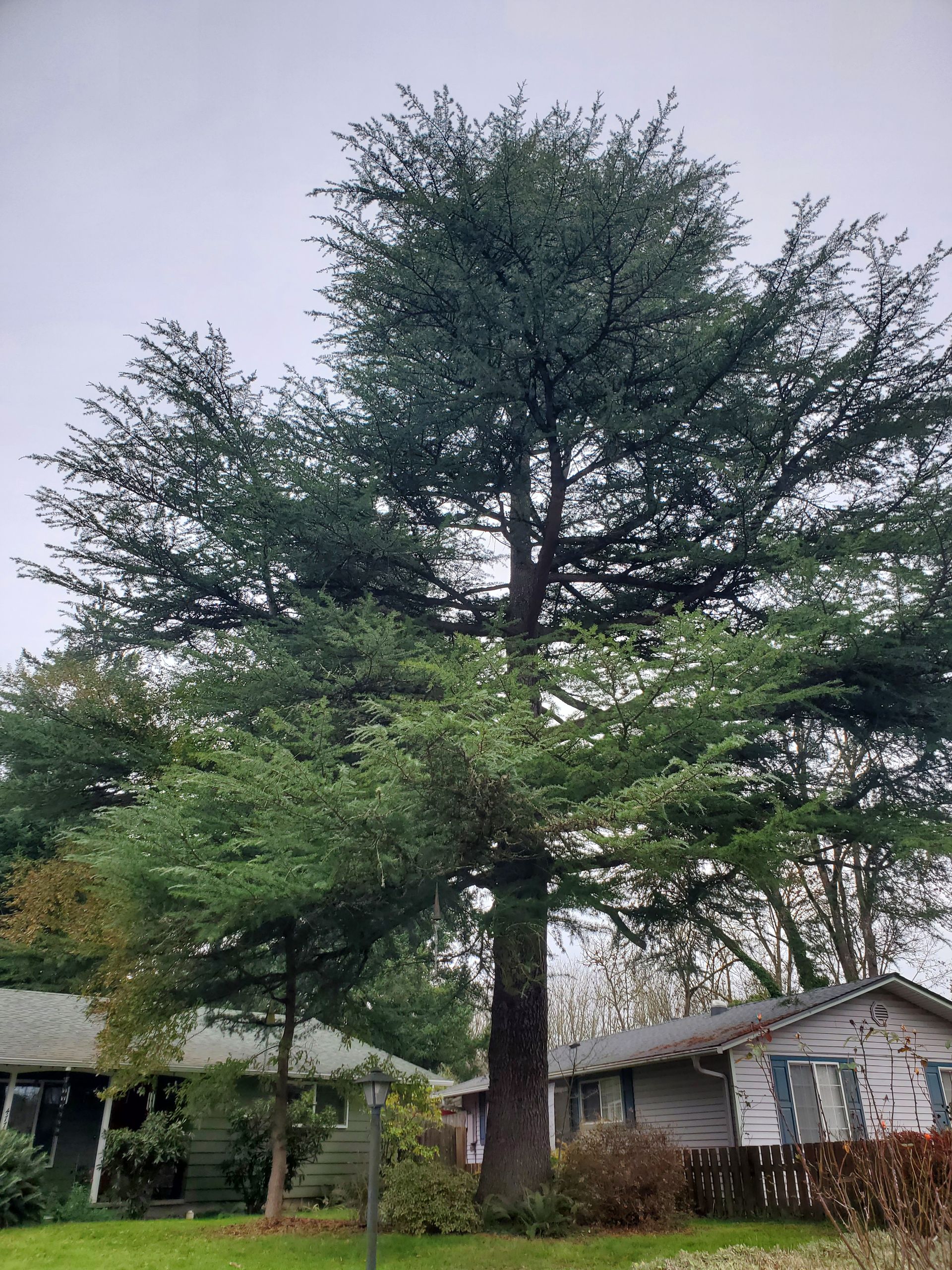
The Importance of Pruning Your Trees for Trunk Stability and the Proper Techniques to Do So:

Healthy, stable trees don’t happen by accident—they’re the result of proper care, especially pruning. Many homeowners think pruning is just about shaping or clearing space, but it’s one of the most important steps in ensuring strong trunk development. Without proper pruning, trees can grow with thin, unstable trunks that struggle to support the canopy as they mature.

How Improper Pruning Leads to Weak or “Noodly” Trunks:

When too many branches are removed—especially lower limbs—the tree loses its natural energy balance. The trunk no longer thickens as it should because it isn’t being “worked” by wind and branch loading. This results in a tall, skinny tree that bends easily and lacks structural stability.

Common pruning mistakes that cause weak trunks include:

  • Removing lower branches too early during a tree’s development.
  • Over-thinning the canopy, which reduces the tree’s ability to photosynthesize and produce energy.
  • Making topping or heading cuts that create weak regrowth.
  • Neglecting regular structural pruning in young trees.

Proper Pruning Techniques That Build Strong Trunks:

A strong trunk develops when the tree’s canopy and root system are in balance. Proper pruning encourages that balance through gradual, careful cuts made with long-term structure in mind.

Here are key arborist-approved techniques to strengthen trunk girth and stability:

  • Maintain a dominant central leader: Allow one main trunk to develop without competing stems.
  • Raise the canopy gradually: Remove lower branches slowly over time—never all at once—to encourage proper trunk taper.
  • Use correct pruning cuts: Always cut just outside the branch collar to promote healthy healing and prevent decay.
  • Avoid over-thinning: Keep enough foliage to feed the trunk’s growth and maintain energy reserves.

The Value of Professional Tree Pruning:

Proper pruning requires knowledge of tree biology and growth patterns. Certified arborists understand how each cut affects a tree’s long-term structure and stability. Hiring a professional ensures your trees are pruned with the future in mind—resulting in stronger, safer, and healthier trees that stand the test of time.

At Wild Geese Tree Care, we specialize in professional tree pruning, structural training, and trunk stabilization services for homeowners and property managers throughout Eugene, Springfield, and surrounding areas. Whether you have young trees that need shaping or mature trees that require corrective pruning, our expert arborists can help your landscape thrive safely and beautifully.

Contact Wild Geese Tree Care today to schedule your consultation and keep your trees strong, balanced, and stable for years to come.


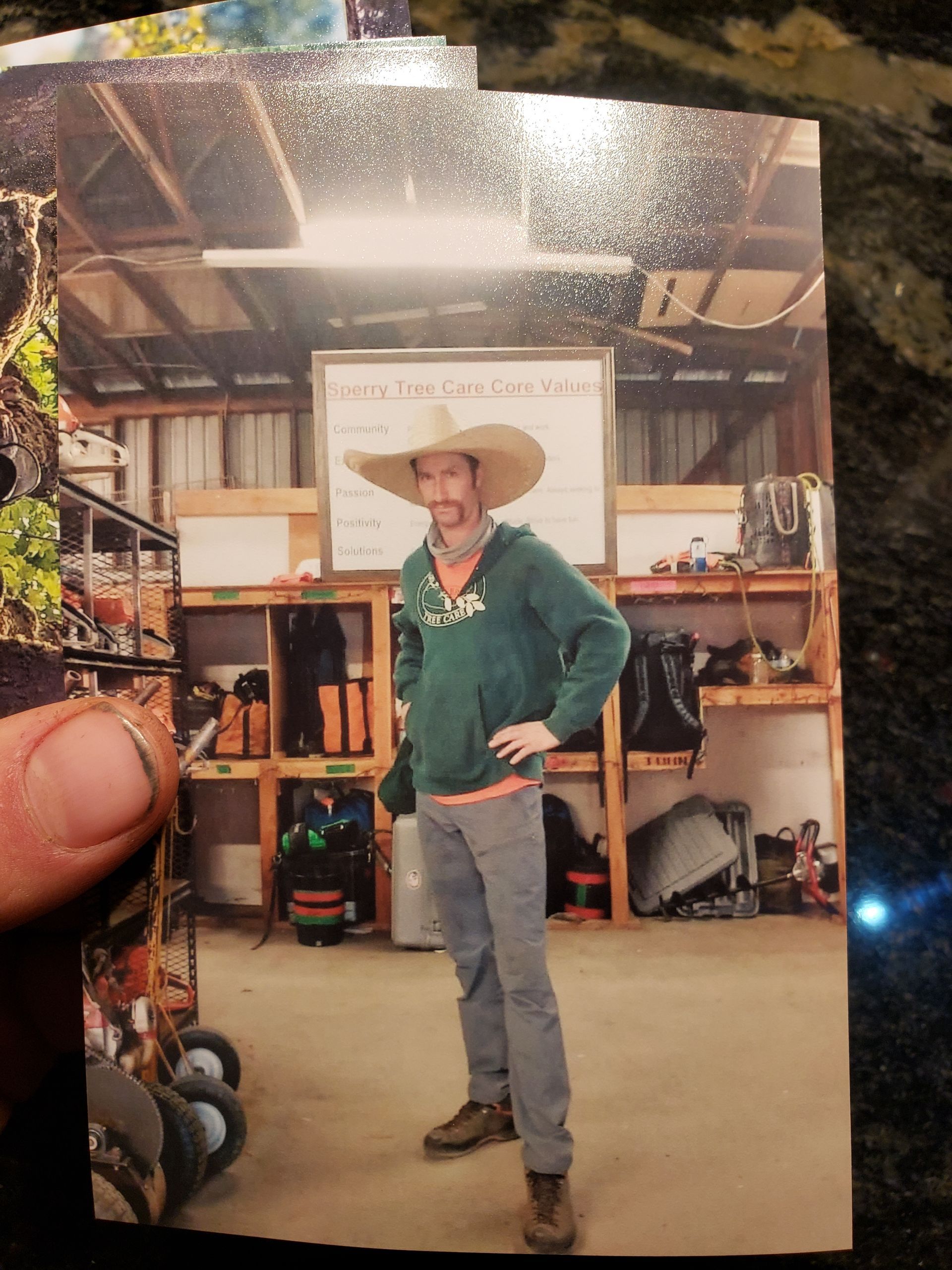
By Dane Swanson February 27, 2025
Humanity as a "Fire Creature"
By Dane Swanson November 14, 2024
Arborists in a tree near you...
By Live Under Leaves September 10, 2024
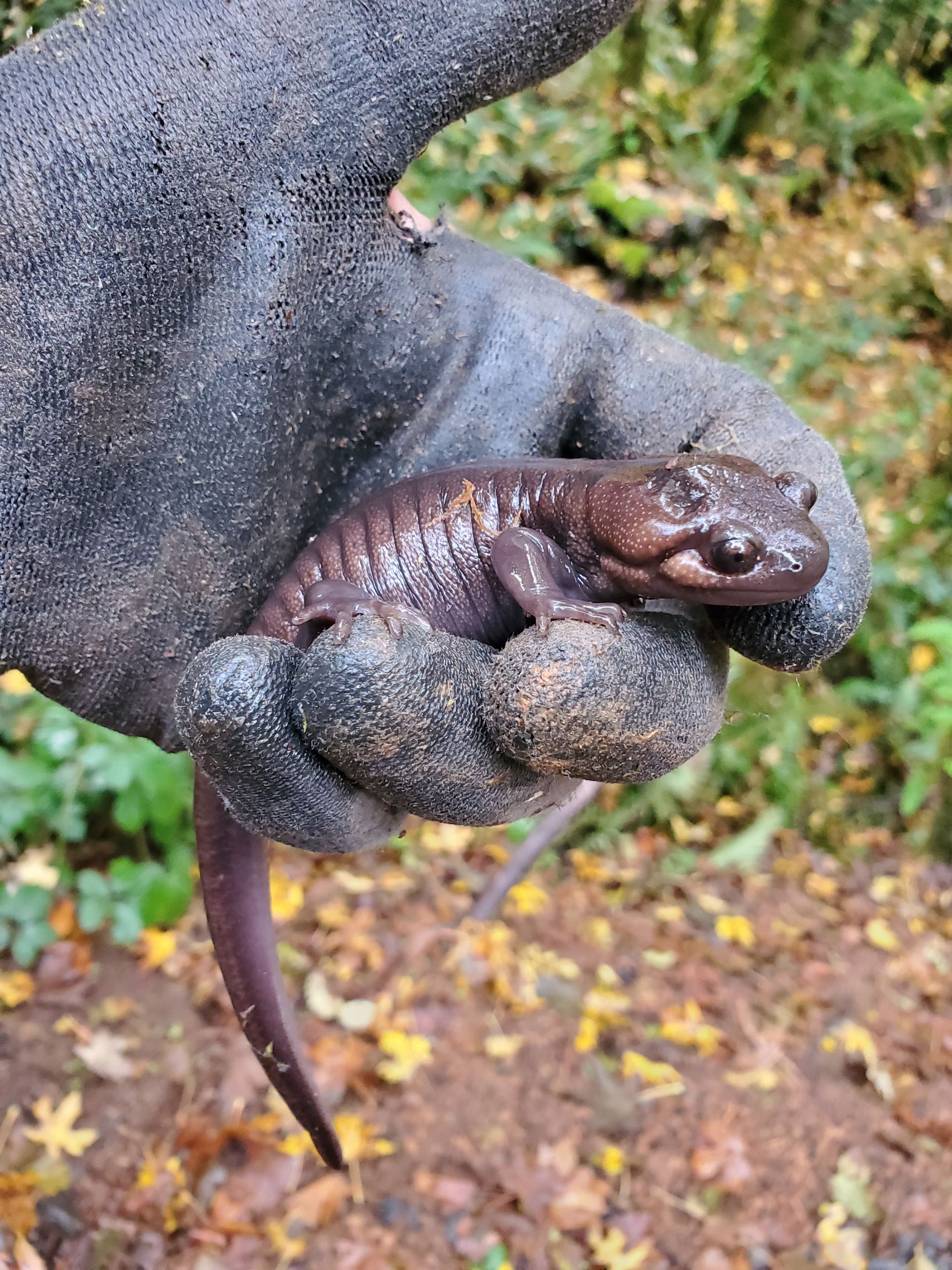
Mingling in these waters since Time Immemorial
By Dane Swanson November 10, 2023
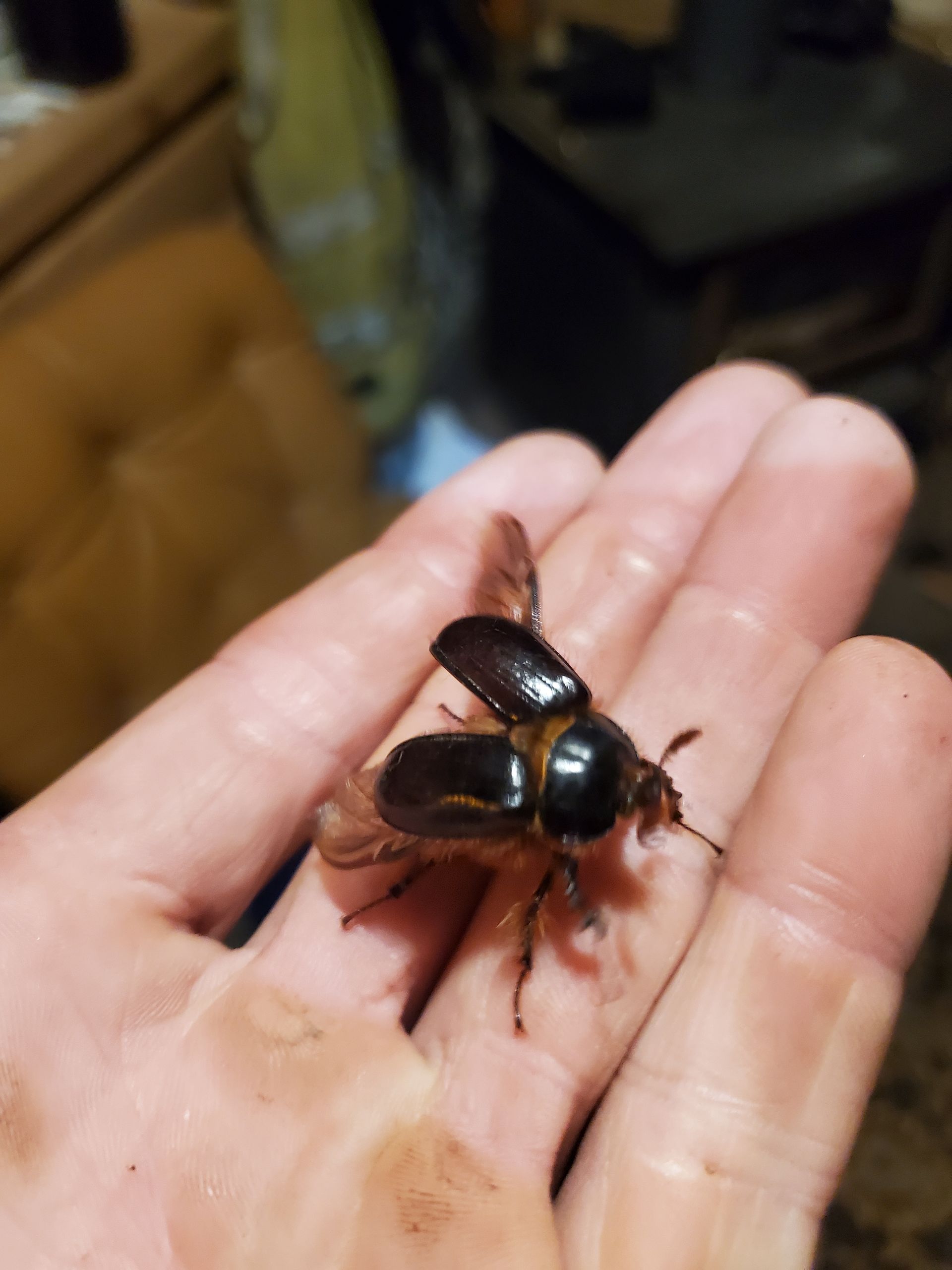
Buzzing to our fall night lights, we meet an old friend...
By Dane Swanson November 8, 2023
The More you Know...
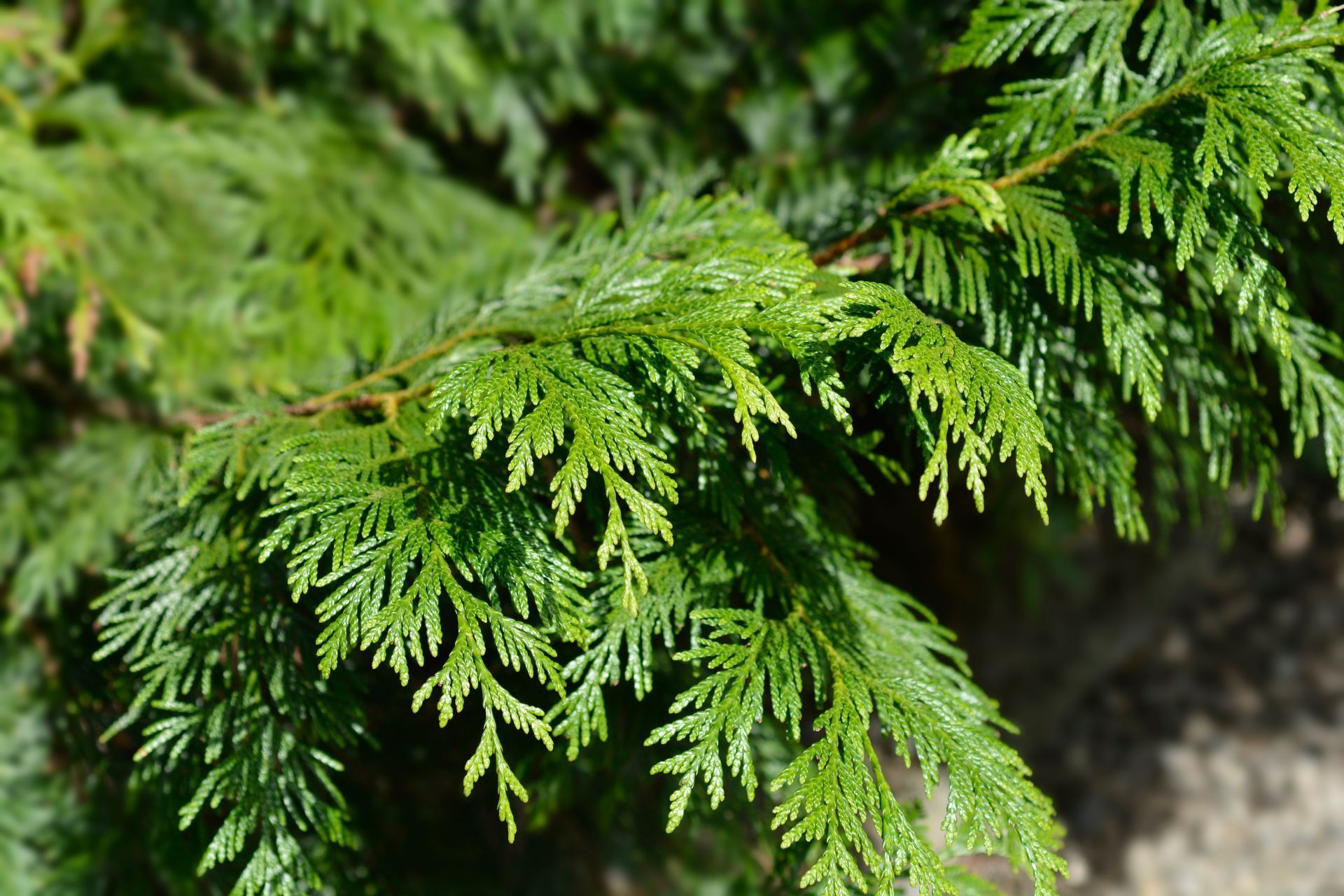
western red cedar
June 26, 2023
Following is a summary of several articles highlighting the case of Western Redcedar dieing in unusually high numbers. Interesting facts and details follow to help familiarize us with this species as we watch and interact with an ever changing world. Often concerning, always exciting, how will you participate? Introduction: Western redcedar (Thuja plicata), a species native to Canada, Alaska, Washington, Oregon, Idaho, Montana, and northern California, holds significant ecological, economic, and cultural value. Indigenous communities in the Pacific Northwest have long recognized its importance, using every part of the tree for various purposes. Additionally, Western redcedar is highly sought after for its timber and provides essential wildlife habitat, particularly in drier areas of eastern Washington and Oregon. Unfortunately, in recent years, forest health specialists and land managers have observed dieback in Western redcedar populations across the region, leading to concerns about the future of this ecologically vital species. Cultural Significance and Traditional Uses: For indigenous peoples in the Pacific Northwest, Western redcedar has deep cultural significance. Throughout history, they have actively managed and stewarded these trees, using them for various purposes. The tree's roots are utilized for basketry, wood for planks, canoes, and other tools, bark for containers and clothing, limbs for carving and firewood, and boughs for smudge sticks and medicine. These sustainable practices highlight the interdependence between indigenous communities and Western redcedar. Ecological Importance and Habitat: Western redcedar provides unique wildlife habitat, especially in drier regions of eastern Washington and Oregon. Although the species can be associated with multiple plant communities, Western redcedar stands are typically characterized by cool, moist environments with abundant moss and standing water. This species is known for its shade tolerance and ability to thrive in coastal fog belts and moist inland areas. It can also tolerate various soil types and outcompete other species in wet soils. In mixed forests, Western redcedar often coexists with western hemlock and Douglas-fir, while alternate species may include incense cedar, sequoia, bigleaf maple, and others depending on the site conditions. Dieback Issue: Recent years have witnessed the occurrence of dieback in Western redcedar populations throughout Oregon, Washington, and western Canada. Even in areas where these trees traditionally flourish, such as along streams and shaded regions, pockets of dieback have been observed. The exact cause of this dieback remains unknown and is currently under investigation. Symptoms and Potential Factors: Dieback in Western redcedar is characterized by thinning crowns, branch dieback, chlorosis (yellow foliage), heavy cone crops, and mortality. While the species is typically resistant to insects and diseases, opportunistic pests may attack weakened or dying trees. The dieback epidemic is hypothesized to be primarily abiotic in nature, potentially linked to increased drought periods and rising temperatures in the western United States. Research and Data Collection: To address the dieback issue, forest health specialists and land managers have initiated research efforts. The Oregon Department of Forestry and Washington Department of Natural Resources, in collaboration with the U.S. Forest Service, have been collecting data through various methods. This includes using an app called Survey 123 to record dieback locations and gather site-specific measurements. Researchers are also engaging citizen scientists through platforms like iNaturalist to broaden data collection efforts. Preliminary Findings: As of now, over 369 dieback sites have been recorded in Oregon and Washington, with plot and site data collected at 148 of these sites. Initial findings indicate that dieback occurs across the species' distribution range, with higher frequency in low elevation, urban corridors of western Washington and northwestern Oregon. Thinning crowns and branch dieback are the most common symptoms observed. Climate variables, such as spring precipitation as snow and temperature, appear to be associated with dieback patterns, highlighting the potential impact.