A PAC NW Shift to be Aware of:
Two Invasive Beetles Shifting the Pacific North West
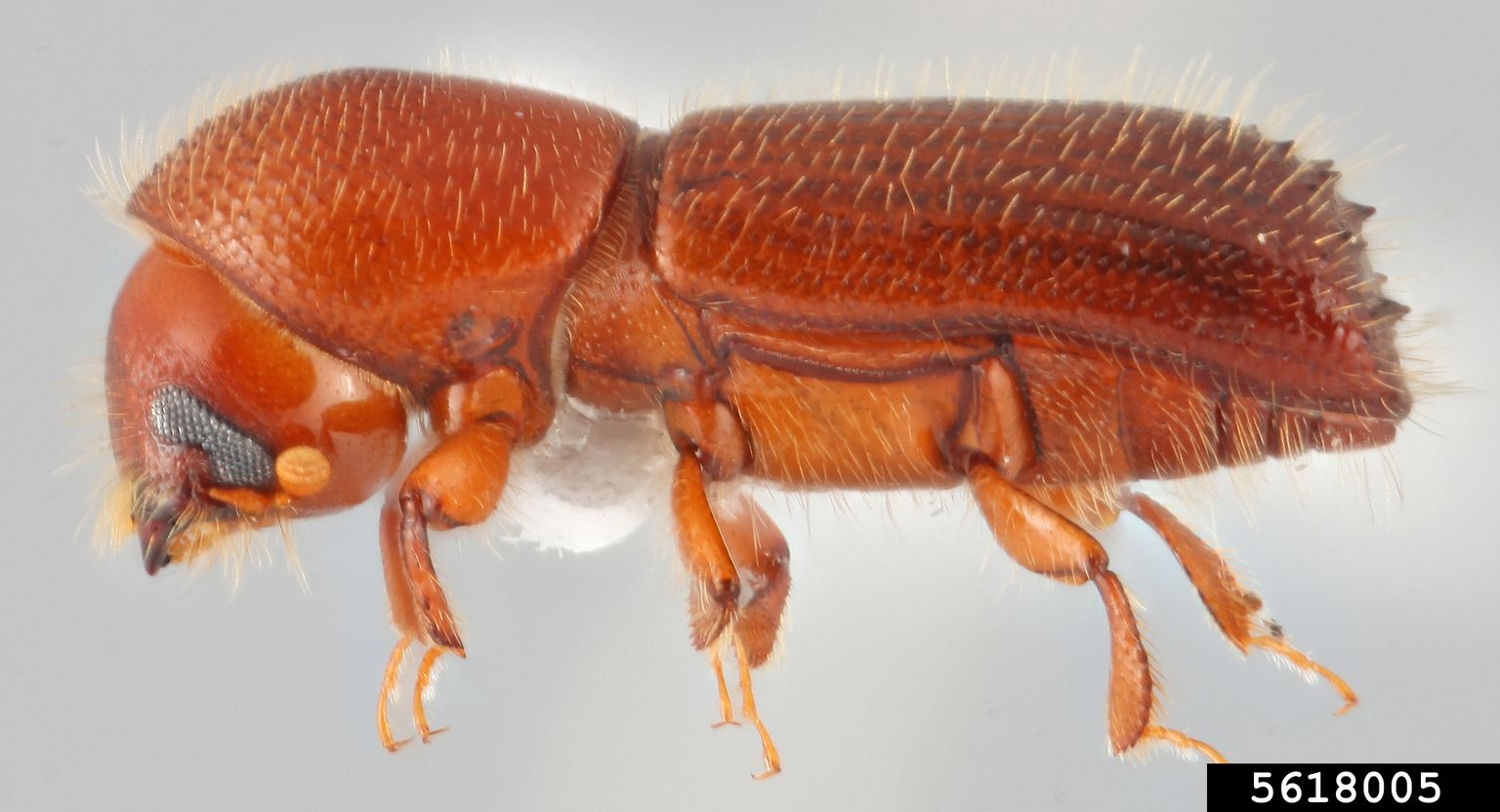
Emerald ash borer and Mediterranean oak borer are transforming Pacific Northwest forests and neighborhoods, but smart monitoring, early treatment, and proactive replanting can protect both your property and local ecosystems. Homeowners and land managers who partner with local ISA-certified arborists are in the best position to slow these invasive beetles and preserve long-term canopy cover and habitat.
Two Invasive Beetles to Know
●Emerald ash borer (Agrilus planipennis) is an invasive, wood-boring beetle that attacks ash trees (Fraxinus spp.), including native Oregon ash (Fraxinus latifolia) as well as planted green and white ash in streets and yards. Once established in a region, EAB is expected to kill nearly all unprotected ash trees within 5–10 years, causing widespread canopy loss and major removal and replacement costs.
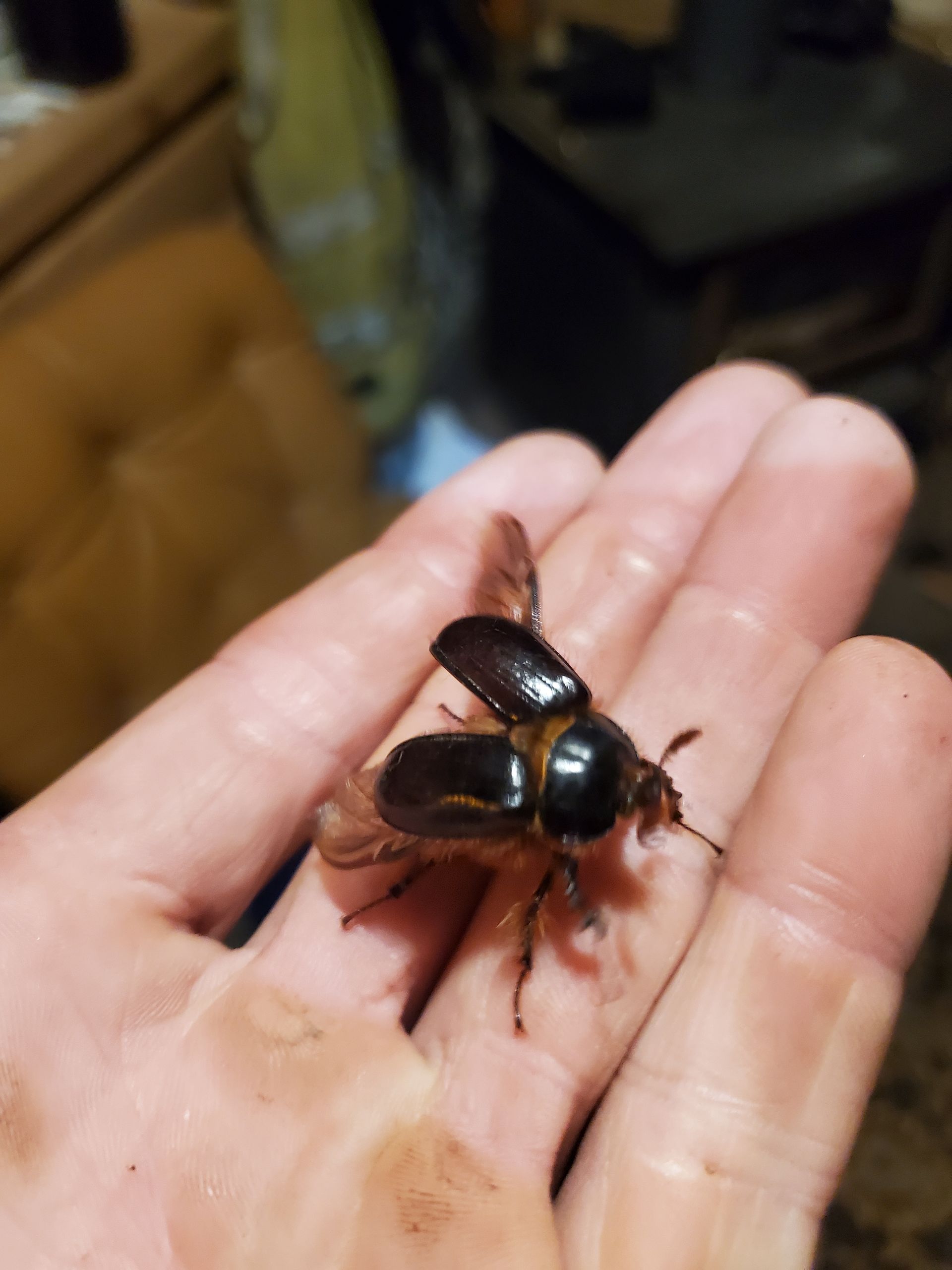
●Mediterranean oak borer (Xyleborus monographus), sometimes called the Mediterranean ambrosia beetle, is a tiny ambrosia beetle now attacking living oaks in California and the northern Willamette Valley, including Oregon white oak (Quercus garryana). Adult females tunnel into sapwood and heartwood, introduce a symbiotic fungus (Raffaelea montetyi), and repeatedly attack the same tree over several years until it wilts and dies.
Ecological Ripple Effects
- Native Oregon ash forms crucial riparian forests that shade streams, stabilize banks, filter runoff, and support salmon and other aquatic life; large-scale ash mortality from EAB will permanently alter these wetlands and floodplains. The loss of ash also affects insects, birds, and other wildlife, because hundreds of arthropod species feed on ash, and many are closely tied to ash during at least one life stage.
- Mediterranean oak borer threatens oak woodlands that anchor biodiversity hot spots, from valley oak savannas in California to Oregon white oak habitats in the Willamette Valley. As oaks decline, landscapes lose cavity trees, acorn crops, and structural diversity that support birds, pollinators, and mammals, weakening the resilience of entire ecosystems.
What Homeowners Can Watch For
- On ash trees, warning signs of EAB include canopy thinning, epicormic “stress” sprouts along the trunk, bark splits, increased woodpecker activity, and characteristic D-shaped exit holes on the bark. Branches and trunks of EAB-killed ash dry out and become unusually brittle, turning once-healthy shade trees into high-risk hazards over driveways, homes, play areas, and streets.
- On oaks, Mediterranean oak borer damage can show as branch dieback, rapid canopy wilt, tiny round entry holes, and frass or boring dust on bark and at the base of the tree. Because MOB attacks vigorous trees and can re-attack for 3–5 years, oaks may appear mostly healthy before suddenly declining, so early inspection is critical.
Management, Treatment, and Replanting
- For valuable ash trees in yards or along streets, targeted insecticide treatments can protect trees when started early, especially before more than 25–50% of the canopy is lost. In some cases, the safest option is staged removal of high-risk ash and replanting with a diverse mix of non-host species to maintain shade, stormwater benefits, and property value.
- For oaks, management focuses on early detection, pruning out infested branches when still feasible, and preventing the movement of infested firewood, logs, and raw oak material that can spread MOB to new areas. Long-term resilience comes from preserving high-value oaks where possible and planting a healthy mix of regionally appropriate trees to avoid over-reliance on any single species or genus.
Why Call Your Local Arborist
- A local ISA-certified arborist can correctly identify ash and oak on your property, evaluate structural and ecological value, and check for early signs of emerald ash borer (Agrilus planipennis) or Mediterranean oak borer (Xyleborus monographus) before damage becomes irreversible. Arborists also help weigh treatment versus removal, design phased replanting plans, and select diverse, site-appropriate species that support wildlife, pollinators, and long-term canopy cover.
For homeowners in the Willamette Valley and greater Portland–Eugene area searching for emerald ash borer help, Mediterranean oak borer inspection, invasive beetle risk assessment, or professional tree removal and replanting, contacting a trusted local arborist like Wild Geese Tree Care is the most effective first step. Scheduling a proactive tree health check now can reduce hazard risks, protect nearby streams and wildlife habitat, and keep your landscape resilient in the face of these rapidly spreading invasive beetles.
Dane Swanson
Owner-Operator and Certified Arborist at Wild Geese Tree Care
Dane Swanson is the owner-operator and certified arborist behind Wild Geese Tree Care. His work with pruning, removals, storm damage, hazardous trees, and mature tree care shapes the way he writes about tree safety and health. He shares what he sees in the field to help homeowners better understand their trees.